Sleep & recovery
How sleep and recovery rebuild your daily energy
Sleep is where recovery happens, and recovery is where tomorrow's energy comes from.
What good sleep actually looks like
Most adults do best with roughly seven to nine hours, but the number is only part of it. Regularity matters nearly as much: going to bed and waking at similar times, including weekends, helps your body anticipate rest. Waking briefly during the night is normal and not a sign of failure. What matters is whether you fall back asleep and whether you wake feeling restored.
If mornings are consistently hard despite adequate hours in bed, the problem is usually in the routine around sleep rather than the sleep itself. That is where a nutritionist-led look at your evenings tends to start: not with a stricter schedule, but with the few repeating habits that quietly shape how the night goes.
Whole nights are built out of small, repeatable moves
These are the habits we look at first with adults in Estonia, and the reason each one earns its place in an evening. None of them needs an app or a purchase.
A steady wake time, weekends included
The single habit that makes everything else easier
Main meal finished a couple of hours before bed
Lets digestion wind down before you do
Caffeine cut-off in the early afternoon
It has a long tail you feel at bedtime
Bright light in the morning, dim lamps at night
Light sets the clock more than screens do
Movement somewhere in the working day
A brisk walk counts; it tends to deepen the night
When sleep needs more than habits
Persistent insomnia, loud snoring with pauses in breathing, or extreme daytime sleepiness deserve a medical conversation. Those are not nutrition or routine problems, and no evening ritual will fix them. If any of that sounds familiar, speak with your doctor.
For the far more common case of shallow, short, or irregular sleep driven by daily habits, the changes on this page are usually enough to see a difference over a few weeks. That is the work we do with adults in Estonia: adjusting the pattern, not chasing a diagnosis.
Fatigue prevention starts with the evening you had three days ago, not the coffee you had this morning.
Tiredness that has been building for months rarely answers to one good night. It answers to a pattern.
Building an evening routine that survives
The routine does not need to be elaborate. A consistent sequence, even a short one, tells your body what is coming: kitchen tidied, lights lower, something calm for twenty minutes, then bed. The order matters less than the repetition.
If your evenings are unpredictable because of shift work or small children, aim for a stable anchor such as a fixed wake time and let the rest flex. Recovery is more forgiving than most sleep advice suggests, as long as the pattern holds on most days of the week rather than all of them.
Recovery during the day, not just at night
Sleep quality is influenced by what happens between mornings. Physical activity during the day, even a brisk walk, tends to deepen sleep at night. Naps can help if they are short and early; long late naps steal from the following night.
Rest is broader than sleep too. The Estonian health portal groups rest and sleep with exercise, a varied diet, and supportive relationships as daily habits for mental wellbeing, and that grouping is accurate. A hard week with no downtime shows up in your sleep.

Nature, slow pace, and decompression
Estonian life still keeps a strong connection to the outdoors, and Visit Estonia frames slow time in nature as restorative rather than something to rush.
That fits recovery well. A walk in a forest, a slow evening outside in summer, or a quiet sauna session lowers the mental load that keeps people awake. The effect is not dramatic on any single evening, but as a weekly habit it changes the baseline. Time away from screens outdoors does double duty here.
Most of what this page describes is free, and most of it takes weeks rather than nights to show. Pick one habit from the ledger, hold it for a fortnight, then add the next one.
Seven to nine hours
The usual adult range, as guidance rather than a target
Twenty minutes
A calm stretch before bed, the same one most nights
Early afternoon
Where most people do better with their last coffee
Questions we hear most about sleep and recovery
Is waking up at night something I should worry about?
Brief waking is normal and not a sign of failure on its own. What matters is whether you fall back asleep without much effort and whether you wake feeling restored. If you are awake for long stretches most nights, or if you feel unrefreshed for weeks, it is worth talking to your doctor rather than trying to fix it with routine alone.
Should I stop eating in the evening altogether?
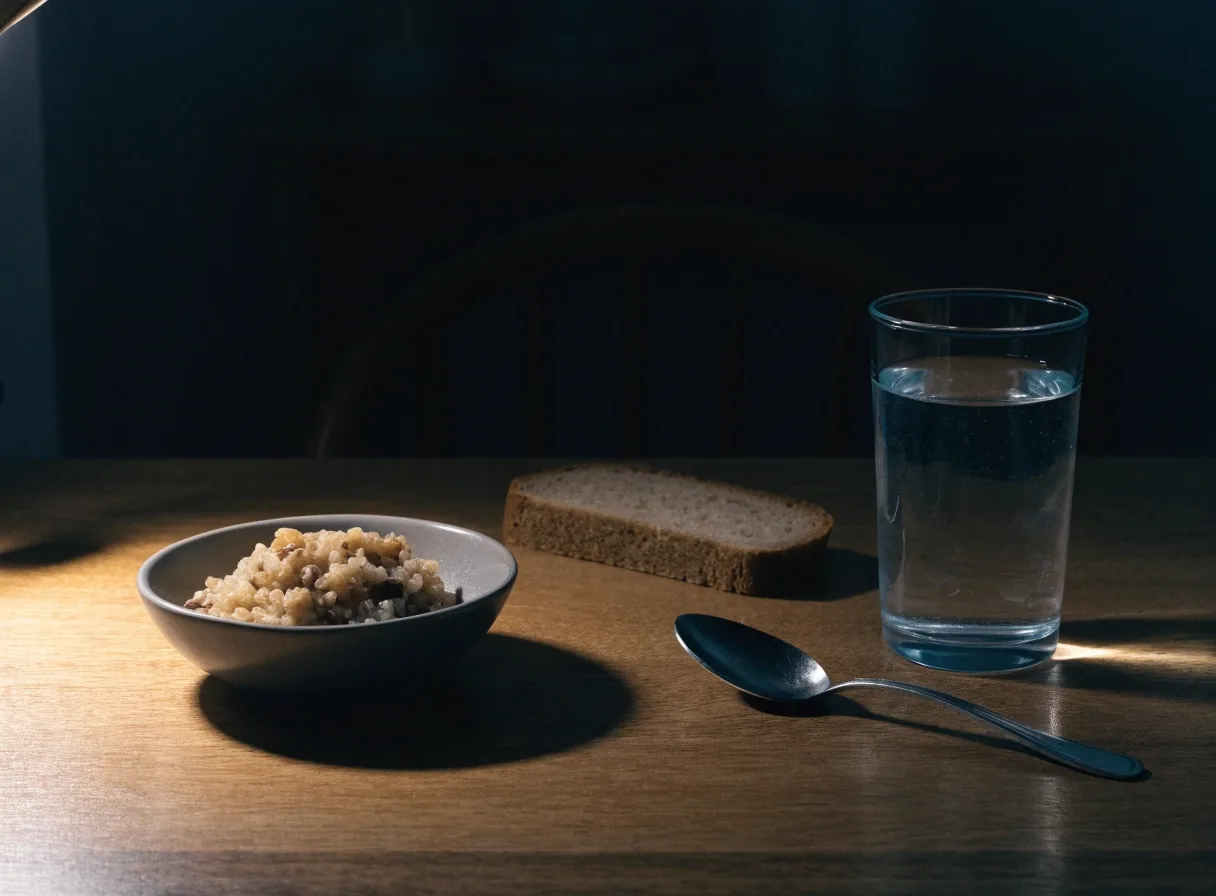
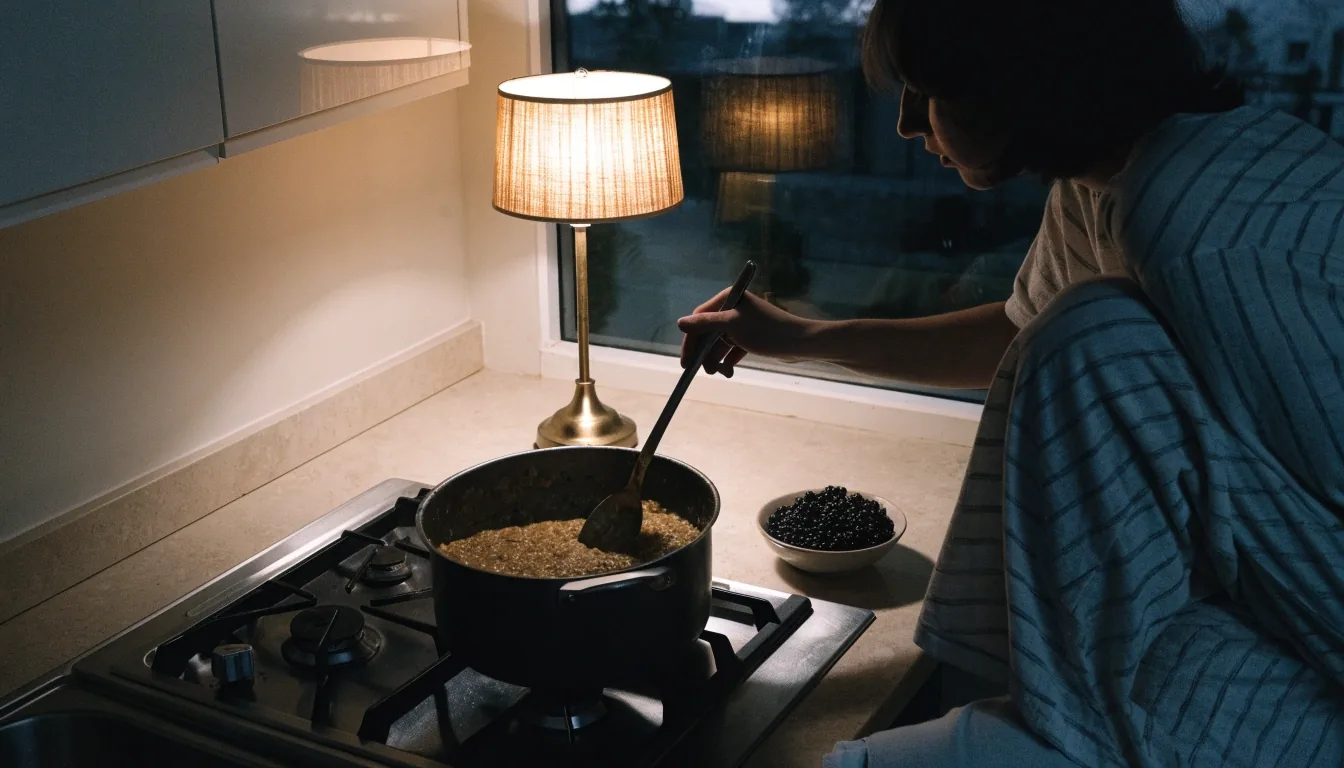
No. Going to bed hungry makes sleep harder for most people and tends to backfire within a few days. Keep the main meal a couple of hours before bed, and if you need something later, keep it light and familiar: porridge, a slice of whole-grain bread, or a small portion you already tolerate well.
I work shifts. Does any of this still apply to me?
Yes, with a different anchor. When your evenings move around, hold one thing steady instead: a fixed wake time, or one calm twenty-minute block before you sleep, whichever your rota allows. The meals and the caffeine cut-off stay useful too, even when bedtime cannot.
How long before I notice anything changing?
Anyone can have a good night. The signal you are looking for is a fortnight of more even evenings: falling asleep in roughly the same window, fewer restless hours, mornings that are noticeably less of a struggle. If eight to twelve weeks of steady habit change leaves you exactly where you started, that is the point to raise it with a doctor.
Where to go next
If your eating pattern is the bigger issue, the nutrition and daily energy page is the place to start. If tiredness has been building for months, fatigue prevention covers the wider picture. And if you want help applying any of this to your own week, the contact page is open during office hours.
Getting in touch with the practice
Where we are
Sleep Recovery Path OÜ
Narva mnt 5
10117 Tallinn, Estonia
Office hours
Monday to Friday
9:00 AM – 6:00 PM